
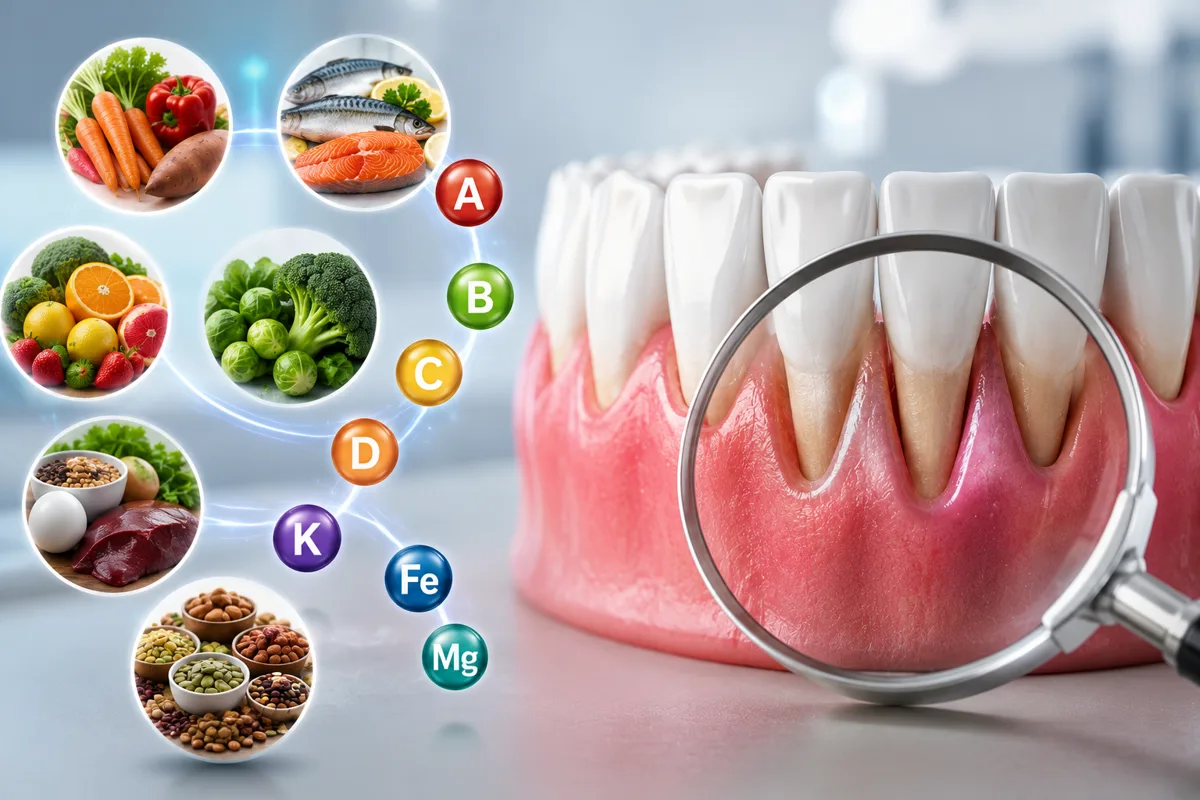
What Is Gum Recession and Which Vitamin Deficiency Can Cause It?
The gums are a specialized structure and one of the fundamental components of the oral system. Their characteristics can vary depending on factors such as age, sex, alveolar bone structure, tooth alignment, facial features, and orthodontic conditions. Gum recession can also cause changes in the appearance and condition of the gums. Vitamin deficiencies and periodontal diseases may play a role in gum recession. (1,2) Therefore, adequate vitamin intake may be an important consideration for maintaining gum health.
What Is Gum Recession and How Can It Affect Oral Health?
Gum recession is a condition in which the gum tissue moves apically, exposing a greater portion of the tooth root. This change may cause aesthetic concerns and tooth sensitivity. It can also make effective plaque control in the affected area more difficult.
If gum recession is left untreated, exposed root surfaces may be more susceptible to root caries. As tissue loss in the cervical area increases, restorative dental treatment may also become necessary. (3)
Which Vitamins Support Gum Health?
Studies in the scientific literature indicate that deficiencies of certain vitamins may be associated with oral and gum-related symptoms. Insufficient levels of one or more vitamins may affect various structures that support healthy gums. A nutrient-rich and balanced diet may help support bones, connective tissues, and immune function and may contribute to maintaining healthy gums. (3)
Vitamins A and B for Supporting Oral Health
Vitamin A and B-vitamin deficiencies may negatively affect gum health. These micronutrients have different functions in the body.
Vitamin A plays a role in saliva production, which helps maintain the oral environment. It also contributes to maintaining the integrity of epithelial cells in gum tissue. Vitamin A can be found in foods such as carrots, bell peppers, sweet potatoes, and egg yolks. (3)
B vitamins are also involved in processes related to gum health. Vitamin B12 deficiency may be associated with certain oral and periodontal problems. Similarly, inadequate levels of vitamin B9 (folate/folic acid) and vitamin B3 may be associated with oral health problems.
These vitamins are involved in processes such as wound healing, normal immune function, and cellular metabolism. Including foods that provide these nutrients as part of a balanced diet may therefore support overall oral health. (3)
Vitamins C and D for Healing and Supporting Healthy Gums
Gum problems can sometimes be associated with vitamin C deficiency. Vitamin C, also known as ascorbic acid, is found in citrus fruits, broccoli, peppers, and sweet potatoes. It contributes to normal collagen formation and supports wound healing and normal immune function. It also plays a role in maintaining connective tissues, including those found in the gums.
For this reason, inadequate vitamin C intake can negatively affect gum health. Severe vitamin C deficiency can cause significant gum problems. (3)
Research has also identified an association between vitamin D status and periodontal health. Vitamin D contributes to normal bone metabolism and immune function, both of which are important for maintaining healthy teeth and supporting tissues. (4)
Vitamin D can be obtained from foods such as salmon, mackerel, and herring. People who have inadequate vitamin D levels may require supplementation under the guidance of a healthcare professional. (3)
Vitamin K and Bone Health
Vitamin K plays an important role in normal blood clotting and bone metabolism. Adequate vitamin K intake contributes to maintaining normal bone health.
Foods such as broccoli and Brussels sprouts are among the dietary sources of vitamin K. (3,5)
What Is the Effect of Iron Deficiency on Gum Health?
Gum problems can sometimes be associated with vitamin or mineral deficiencies. For example, iron deficiency can cause symptoms such as pale oral tissues and soreness in some individuals. These symptoms may be associated with iron-deficiency anemia.
If iron deficiency is suspected, appropriate blood tests and professional evaluation are important. Rather than taking iron supplements without confirmation, the underlying cause of the deficiency should be identified. Maintaining a balanced diet and good oral hygiene can also support overall oral health. (6)
What Is the Role of Magnesium Deficiency in Gum Health?
Some scientific studies have examined the relationship between magnesium status and periodontal health. Research has suggested a possible association between magnesium intake and certain measures of periodontal health, although this does not establish that magnesium supplementation prevents or treats gum disease. (7,8)
Adequate magnesium intake as part of a balanced diet contributes to normal bone and muscle function and overall health. Good sources include nuts, seeds, legumes, whole grains, and leafy green vegetables.
Important Note
Vitamin and mineral deficiencies are not the only causes of gum recession. Periodontal disease, aggressive tooth brushing, plaque accumulation, tobacco use, tooth positioning, orthodontic factors, and other local or systemic conditions can also contribute.
If you notice gum recession, bleeding, persistent sensitivity, swelling, or changes around the teeth, a dentist or periodontist should evaluate the underlying cause. Vitamin or mineral supplements should not be used as a substitute for dental treatment.(8)
References
- https://dergipark.org.tr/en/download/article-file/1713049
- https://gumdiseaseguide.org/can-a-vitamin-deficiency-cause-gum-recession-which-vitamins-help/
- https://dergipark.org.tr/en/download/article-file/28057
- https://www.ncbi.nlm.nih.gov/pmc/articles/PMC3768179/
- https://www.halksagligiokulu.org/Kitap/DownloadEBook/7227e19a-2303-441f-888f-f211df37e936#page=28
- https://www.medicalnewstoday.com/articles/298531#how_to_brush
- https://pubmed.ncbi.nlm.nih.gov/16183794/
- https://www.ncbi.nlm.nih.gov/pmc/articles/PMC9453259/#:~:text=Dietary%20magnesium%20intake%20is%20associated,increases%20the%20prevalence%20of%20periodontitis.