
What Factors Cause Hair Loss?
Hair loss is a common concern that affects many people. Losing around 50–100 hairs per day can be considered normal, while noticeably increased or persistent hair loss may warrant further evaluation. Although hair loss can be frustrating, it is not necessarily an unsolvable problem once the underlying cause is identified. This condition can occur in both women and men and may have multiple causes.
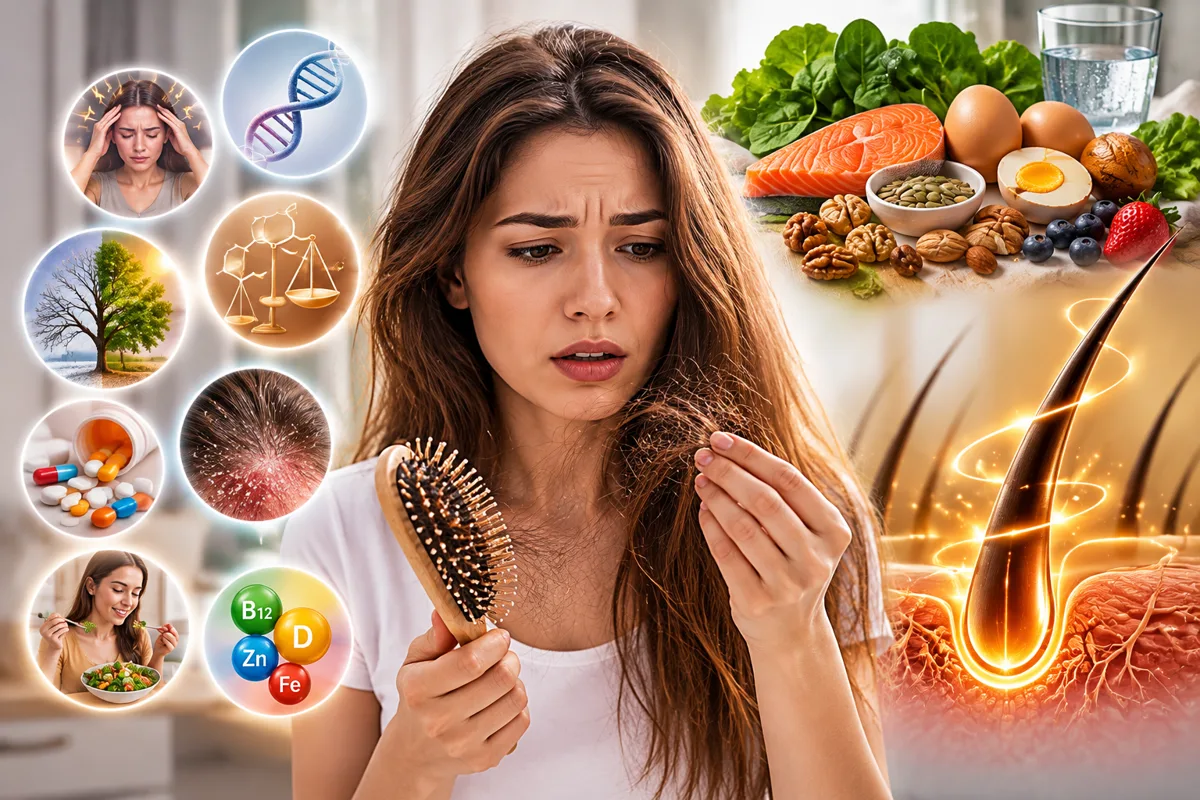
The main factors that may contribute to hair loss include:
- Genetic factors
- Seasonal changes
- Scalp conditions such as eczema, psoriasis, and fungal infections
- Medications used to treat certain diseases
- Cosmetic and hair-care products
- Stress
- Hormonal changes or disorders
- Dietary habits
- Vitamin and mineral deficiencies
As these factors show, hair loss can result from both genetic and environmental influences. If there is no known genetic predisposition, environmental and lifestyle factors should also be considered. Understanding the underlying cause is the first step toward addressing the problem. A dermatologist can evaluate the scalp and help determine the possible cause.
If a scalp condition is contributing to hair loss, treating the underlying condition may help reduce shedding. If there is no underlying disease or hormonal disorder, seasonal changes and hair-care practices can be evaluated. Reviewing the products used for hair care and avoiding excessive or frequent hair coloring may also help protect the hair. Managing stress can be beneficial as well. Identifying appropriate hair-care practices and avoiding damaging habits may help minimize hair loss.
Among these factors, dietary habits can also play an important role in hair health. Hair is primarily composed of a protein called keratin, and adequate nutrition is important for normal hair growth. Insufficient fluid intake, highly restrictive diets, inadequate protein intake, and prolonged periods without adequate food intake may contribute to nutritional deficiencies that can affect hair health.
Because hair is made primarily of protein, adequate protein intake is important. In addition, deficiencies in certain vitamins and minerals may contribute to hair loss in some individuals. Nutrients such as vitamin B12, vitamin D, biotin, zinc, iron, and folate are involved in normal physiological processes related to hair and overall health. If a deficiency is suspected or confirmed, consuming foods that provide these nutrients may help address the underlying nutritional problem.
Iron-rich foods, including leafy green vegetables and other dietary sources of iron, can contribute to adequate iron intake. However, iron deficiency should be confirmed by a healthcare professional before taking iron supplements. Similarly, vitamin and mineral supplements should generally be used when a deficiency or increased nutritional need has been identified and according to professional guidance.