
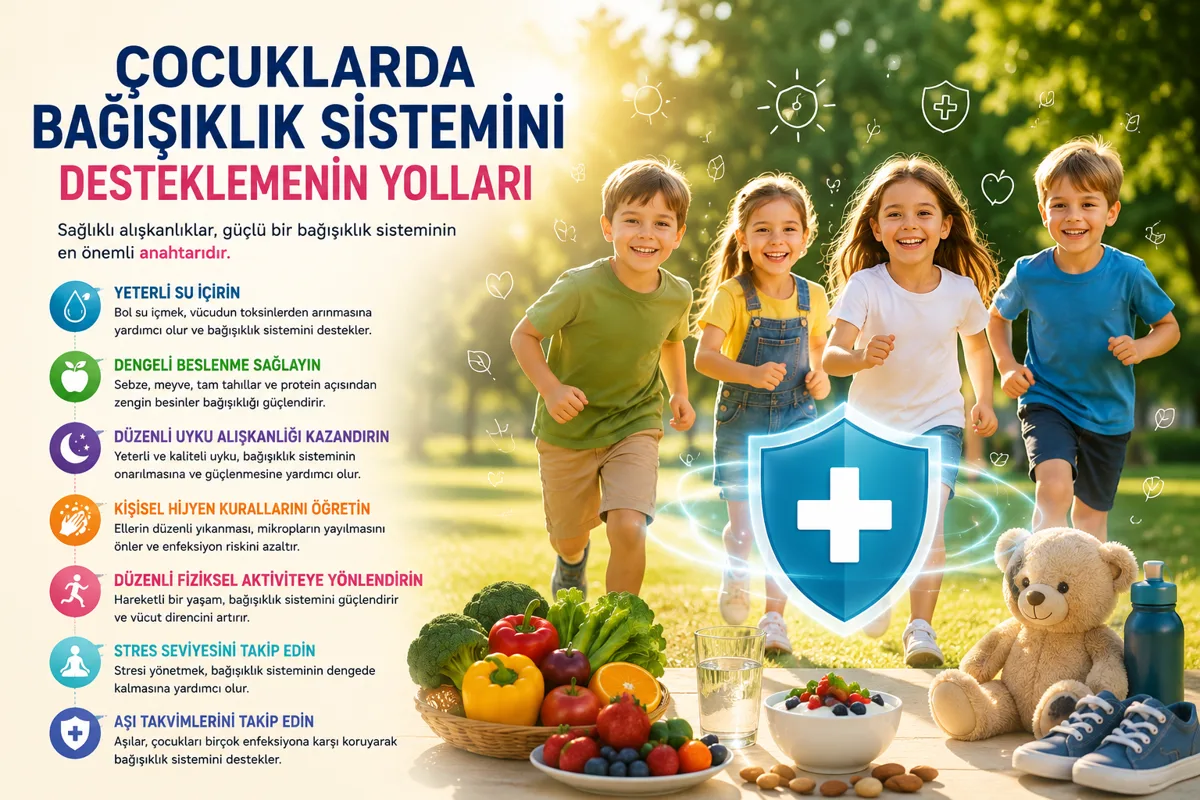
Ways to Support the Immune System in Children
Discover natural and effective ways to support children's immune systems. With Vitacare, provide the support needed for healthy growth and development!
The immune system can be described as one of the body's most important defense mechanisms against disease. Particularly in children, a well-functioning immune system may be important for healthy growth and development and for helping the body respond effectively to infections. However, children's immune systems are not as mature as those of adults and continue to develop over time. So, how can a child's immune system be supported? Several important factors should be considered, including a balanced diet, adequate sleep, physical activity, good hygiene, and stress management. In addition, appropriate supplements and vaccinations may help support a child's immune health when recommended by a healthcare professional. [1]
What Is the Immune System in Children?
The immune system is a defense mechanism that protects the body against harmful organisms and diseases from the external environment. Although this system is present from birth, it continues to develop and adapt as children are exposed to different environmental factors.
At birth, babies receive immune support from antibodies transferred from their mothers. Over time, however, the child's own immune system continues to develop and mature. In response to the question of how long the immune system develops in children, it can be said that immune development continues throughout childhood and adolescence and is influenced by environmental factors. During this process, factors such as adequate nutrition, regular sleep, and good hygiene may help support normal immune function. [2]
What Health Problems Can Be Associated With a Weakened Immune System in Children?
Children with impaired immune function may be more vulnerable to certain infections. Respiratory infections, including colds and influenza, may occur more frequently or be more severe in children with certain immune deficiencies. Recovery may also take longer, and the risk of complications may be higher in some cases.
Families looking for ways to support their children's immune health can take several steps to promote overall health and reduce preventable risks. [3]
How Can the Immune System Be Supported in Children?
There is more than one answer to the question of how to support a child's immune system. Many factors, from nutrition and sleep to physical activity and hygiene habits, can contribute to healthy immune function. Here are some important steps that can be considered: [2]
Encourage Children to Drink Water
Water is essential for the body's normal functioning and contributes to maintaining healthy tissues. Encouraging children to drink an adequate amount of water can help maintain hydration. Adequate hydration also supports the health of the skin and mucous membranes, which form part of the body's natural protective barriers.
Develop Healthy Eating Habits
Nutrition is one of the foundations of a healthy immune system. Helping children develop balanced and varied eating habits provides their bodies with essential nutrients needed for normal immune function.
The “rainbow” approach to eating encourages children to consume fruits and vegetables of different colors. These foods can provide a variety of vitamins, minerals, and other nutrients that contribute to overall health.
If a nutritional supplement is considered necessary, it should be used under the guidance of a healthcare professional. In children, the appropriate product, dose, and formulation should be determined according to age and individual needs.
Establish a Regular Sleep Routine
Regular and sufficient sleep is an important factor in maintaining normal immune function. Research suggests that inadequate sleep may affect children's immune responses and make them more vulnerable to illness.
For this reason, establishing a consistent sleep routine appropriate for the child's age may support overall health and immune function.
Teach Good Personal Hygiene
Helping children develop personal hygiene habits from an early age can play an important role in reducing exposure to infectious microorganisms. Regular handwashing, in particular, can help reduce the spread of germs and lower the risk of certain infections.
These simple hygiene habits can contribute to a healthier lifestyle.
Pay Attention to Stress Levels
Stress can affect various aspects of health, including immune function. Children may also experience stress, and prolonged or significant stress may affect their overall well-being.
For this reason, parents can pay attention to children's emotional well-being and help them develop healthy ways to cope with stress. Play, creative activities, and age-appropriate relaxation techniques may help children manage everyday stress.
Encourage Regular Physical Activity
Physical activity contributes to children's overall health and may also support normal immune function. Encouraging children to engage in regular physical activities can benefit both their physical and emotional well-being.
Outdoor play, age-appropriate sports, and other enjoyable forms of movement can help children stay active and healthy.
Follow the Recommended Vaccination Schedule
Vaccination is one of the most important tools for protecting children against vaccine-preventable infectious diseases. Vaccines train the immune system to recognize specific pathogens and develop an immune response.
Parents should follow the vaccination schedule recommended by their healthcare provider and ensure that children receive the vaccines appropriate for their age and health status. [1,2]
References
- https://health.clevelandclinic.org/how-to-boost-your-kids-immunity
- https://www.luriechildrens.org/en/blog/how-to-boost-your-childs-immune-system/
- https://www.aid.org.tr/cocuklarda-bagisiklik-sistemi-zayifligi-hangi-hastaliklara-neden-olur/